Hub research overview
What this hub covers
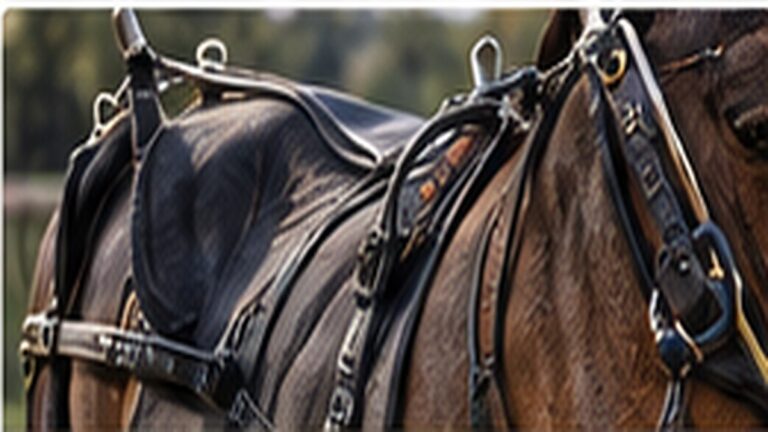
The Disciplines & Equipment authority hub brings together practical, technical research on equipment used across six distinct equestrian activities: carriage driving, dressage, endurance riding, eventing, showjumping and western riding. Its purpose is not to present one universal equipment list. Equipment has to be understood in relation to the horse, rider or driver, activity, environment, duration, governing rules and intended use.
The spoke guides examine individual disciplines in detail, but they share a common approach. They explain what equipment is designed to do, how its construction and materials affect use, how it should be fitted and maintained, and where selection is constrained by competition requirements or safety considerations. They also distinguish equipment that is functionally necessary from optional features, specialist preferences and everyday practice.
Readers should therefore use this hub as a framework for interpreting the detailed guides. A product name alone does not establish suitability. The relevant questions are what the item does, whether it fits correctly, whether it remains appropriate as conditions change, and whether its use is permitted or sensible in the setting concerned.
The central technical themes
Function before appearance
Across the disciplines, equipment should be assessed by function rather than visual style or marketing description. Saddles, harness components, bridles, bits, nosebands, cinches, breast collars, pads, protective boots and rider safety equipment each have specific purposes. Some support communication between horse and rider, some distribute or stabilise load, some protect against impact or interference, and some help manage comfort, security or practical handling.
The guides encourage readers to identify the essential function first, then consider construction, adjustment, materials and additional features. This is particularly important where an item may look suitable but cannot achieve a stable, comfortable or safe fit. Optional features may be useful, but they do not compensate for a basic mismatch between equipment and horse, rider, driver or activity.
Fit, stability and compatibility
Fit is a recurring technical theme because equipment operates through contact with the horse and, in some cases, through the rider’s or driver’s position. Saddles, pads, bridles, bits, nosebands, harnesses and cinches must be considered as systems rather than isolated purchases. A change to one component can affect pressure, stability, adjustment or the position of another.
Correct fit also depends on use. Equipment selected for short schooling sessions may not be appropriate for prolonged work, competition, road use or changing weather. Endurance riding places particular emphasis on stability, weight, ventilation, cleanability and repairability over long distances. Carriage driving requires attention to harness fit, carriage design, safety systems and the relationship between the horse, vehicle and road or competition setting. Western riding requires discipline-specific consideration of saddle construction, cinches, breast collars, bridles, bits, reins and pads.
Fit should be treated as something to check and manage, not a one-time purchasing decision. Adjustment, wear, horse condition, rider position and the demands of the activity can all alter whether equipment remains suitable.
Materials, construction and maintenance
Material choice matters because it affects durability, weight, flexibility, cleanability, repair and the way equipment behaves in use. Construction determines how components are joined, adjusted, reinforced or protected. The guides do not treat a material or construction method as automatically superior in every situation; suitability depends on the discipline and the demands placed on the item.
Maintenance is part of equipment safety and performance. Cleaning, inspection, storage and timely repair help identify deterioration before it affects fit or function. This applies to tack and harness as well as protective equipment, hoof protection, leg protection and competition clothing. Endurance research gives particular prominence to ride-day spares and repairability, while carriage driving research addresses maintenance in the context of both equipment and vehicle use. In every discipline, readers should understand the limitations of equipment that is worn, damaged, poorly adjusted or used outside its intended purpose.
Safety equipment and its limitations
Safety equipment is addressed as one part of a wider risk-management approach, not as a guarantee of protection. Depending on the discipline, this includes riding hats, body protectors, air vests, suitable footwear, gloves, protective clothing, stirrups, horse boots and other protective systems. Eventing places especially different demands on equipment because dressage, show jumping and cross-country involve distinct riding environments and risk profiles.
The relevant spoke guides explain the function, fitting, standards or competition context where supported by the research, while also identifying limitations. A protective item must be appropriate to the activity, correctly fitted, maintained and used as intended. Readers should not assume that equipment acceptable in one phase, discipline or everyday setting automatically meets the requirements of another.
Rules, standards and sensible practice
A major purpose of the hub is to help readers separate three questions that are often confused:
- Is it required? This concerns the rules of the relevant organisation, competition or activity.
- Is it permitted? An item may be allowed in one setting but restricted or treated differently in another.
- Is it sensible? Everyday schooling, training, road use or long-distance riding may call for practical choices that are not expressed as mandatory rules.
The spoke research is grounded in British use where stated, including Great Britain-focused guidance for carriage driving, dressage, eventing, showjumping and western riding, and British endurance riding. Dressage equipment must be considered against everyday schooling, British Dressage and FEI contexts. Showjumping equipment is discussed alongside British Showjumping competition rules. Eventing equipment must work across three phases rather than one. Carriage driving must account for road use as well as competition. These distinctions prevent readers from treating a competition rule as a general equipment recommendation, or treating common practice as a formal requirement.
Rules can change, and detailed competition decisions belong with the current rules of the relevant governing body or organiser. The hub’s role is to clarify the categories and technical issues readers need to investigate, not to replace the applicable rulebook.
How the disciplines connect
The disciplines differ in equipment design and use, but the same decision principles recur. Dressage and showjumping both involve saddles, bridles, bits, nosebands, stirrups and rider equipment, yet the guides examine these items within different performance and competition contexts. Eventing overlaps with both but adds the need to select and manage equipment across dressage, show jumping and cross-country.
Endurance shares questions of tack fit, rider safety and horse protection with ridden disciplines, but extends them through distance, duration, hydration, ventilation, weight management, hoof protection and the need for spares. Carriage driving shifts the focus from ridden contact to harness, carriage design, vehicle stability, safety systems and road or competition conditions. Western riding uses some familiar categories, such as saddles, bridles and pads, but their construction, adjustment and discipline-specific selection follow a different equipment tradition.
These connections make comparison useful, but not interchangeable. A similar-looking saddle, bit, boot, pad or protective item can have a different purpose, fit requirement or rule status in another discipline. The hub encourages comparison of principles—function, fit, stability, materials, maintenance and rules—rather than assuming that one discipline’s solution transfers directly to another.
How to use the spoke research
Before exploring a guide, define the activity and setting: schooling, competition, road use, long-distance riding or a combination. Then identify the horse’s and rider’s or driver’s requirements, the equipment functions involved, and any relevant rules. Use the spoke page to examine construction, fit, materials, maintenance and limitations for that context.
Readers should also distinguish selection from ongoing management. Choosing equipment is only the first step. It must be adjusted, checked, cleaned, stored and replaced or repaired when its condition affects performance or safety. The most reliable decisions are therefore evidence-led and context-specific: they prioritise fit and function, recognise the difference between mandatory rules and sensible practice, and acknowledge that equipment cannot compensate for poor preparation, unsuitable use or neglected maintenance.