
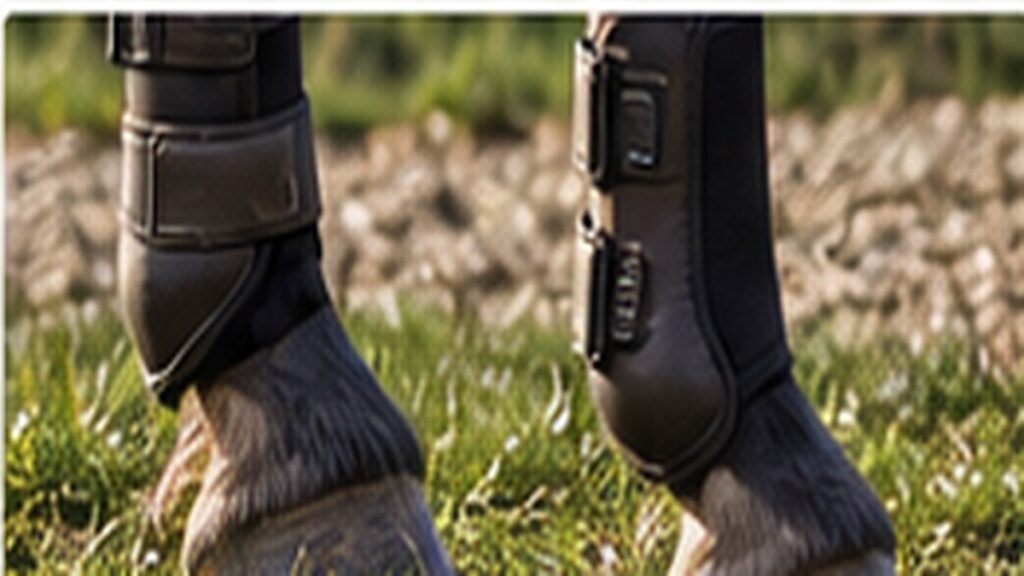
Ergonomics in equestrian equipment concerns the relationship between the horse, the rider, the equipment and the task being performed. In practical terms, it asks whether a piece of equipment allows the horse and rider to move, balance, communicate and work without avoidable restriction, instability, discomfort or injury risk.
That definition is broader than “fit”. Fit describes whether dimensions and shape are suitable at a particular moment. Ergonomics also considers pressure distribution, movement, force transmission, material behaviour, adjustability, human anatomy, skill, duration of use, maintenance and the environment. A saddle may appear correctly positioned when standing still but become unstable in canter. A bridle may be the correct nominal size yet place pressure over sensitive structures. A body protector may meet its stated safety standard but be too long, loose or restrictive for the wearer’s body.
For the GB market, ergonomic practice sits alongside animal-welfare duties and product-safety requirements. The UK Government’s welfare code states that saddlery and harness should be correctly fitted, preferably by a qualified saddler or harness fitter, checked regularly and maintained in good order. It also states that bits, bridles, nosebands, training aids, boots and bandages should be suitable for their purpose, correctly fitted and used by a competent person.
Why ergonomics matters in horse equipment
Horse and rider are a coupled mechanical system. The saddle transfers a substantial part of the rider’s mass and movement to the horse’s back; the girth stabilises that system; the stirrups transmit forces through the rider’s legs; and the bridle and reins transmit signals through the horse’s head and mouth. Poor design or poor adjustment can therefore affect both comfort and function.
The relevant risks are not limited to visible wounds. Localised pressure may produce pain or defensive behaviour before hair loss or skin damage is apparent. Restriction of the shoulder or thoracolumbar region may alter stride mechanics. An unstable saddle may cause the rider to brace, grip or sit asymmetrically. A poorly fitted helmet or body protector may reduce real-world protection because it moves during a fall or is not worn consistently.
Ergonomics does not mean maximising softness or padding. Very soft materials can compress, bottom out, retain heat or create instability. A thick numnah may conceal a poor saddle fit rather than correct it. The useful question is whether the complete equipment system manages force and movement appropriately for the horse, rider and activity.
Saddle ergonomics: more than tree width
Horse-side fit
Saddle fit must be assessed on the individual horse, with the saddle used in the way intended. Important variables include:
- the shape, width and angle of the tree or tree substitute;
- the length and bearing area of the panels;
- clearance of the withers and spinal processes;
- freedom for the scapula and shoulder girdle;
- symmetry or appropriate asymmetry of the horse and saddle;
- stability during mounting and movement;
- the interaction of saddle, girth, pad, rider and discipline; and
- changes in body condition, muscle development, workload and age.
Tree width is only one component. A saddle can be nominally the correct width but have unsuitable panel angle, rocker, twist, length or balance. Conversely, a saddle with an adjustable or synthetic tree is not automatically a better ergonomic solution; adjustability is useful only when the resulting shape is appropriate and remains stable in work.
A peer-reviewed study involving sports horses found that changing tree width altered saddle-pressure distribution and aspects of thoracolumbar and limb kinematics. The authors concluded that correct fit is important for unhindered locomotion, but the study should not be interpreted as proving that one universal width or fitting formula suits all horses. It examined a limited group of horses and deliberately altered saddles away from their professionally fitted condition.
Pressure mapping can add information, particularly where symptoms, asymmetry or disputed fit is involved. It does not replace physical examination, dynamic observation and professional judgement. Pressure sensors measure pressure at selected locations under particular conditions; they do not directly measure pain, tissue damage, rider skill or long-term outcome. Results may also vary with pad, clothing, girth tension, speed, surface and rider position.
Dynamic fit
A saddle should be assessed both at rest and in movement. The horse’s back changes shape during walk, trot, canter, transitions, jumping and collection. The rider’s seat and centre of mass also move. Checks made only with the horse standing may miss bridging, rocking, slipping, panel interference or contact that appears only under load.
Useful observations include whether the saddle remains centred, whether the panels maintain appropriate contact, whether the girth pulls the saddle forward or sideways, whether the rider is repeatedly displaced and whether the horse changes stride, rhythm or posture. None of these signs is diagnostic on its own. Behaviour and movement changes have many possible causes and should not be treated as proof of saddle-related pain.
Rider-side fit
The saddle must also allow the rider to sit in a balanced position without being forced into excessive knee flexion, bracing or a chair seat. Seat length, twist, flap position, knee-block geometry and stirrup-bar position influence how the rider’s hip, knee and ankle align. A saddle that is technically acceptable for the horse may be unsuitable for the rider, and a rider who cannot sit securely may impose uneven loading on the horse.
Seat size is not a complete measure of rider fit. Pelvic shape, thigh length, hip mobility, riding discipline, clothing and preferred position all matter. A larger seat is not automatically safer or more comfortable if it changes the rider’s balance or places the rider behind the saddle’s balance point.
Girths, pads and load distribution
The girth is a structural component, not merely a strap that prevents the saddle from falling off. Its length, contour, elasticity, attachment points and tension affect saddle stability and local pressure. A girth that is too short may place buckles under the rider’s leg; one that is too long may interfere with the saddle’s intended load path. A shaped girth may create useful clearance behind the elbow in one horse but be unsuitable for another because of body shape or saddle position.
Girth tension should be sufficient for stability but not treated as a substitute for correct saddle fit. Recent experimental work examining girth design and tension reported effects on pressure distribution and cautioned that higher tension may influence saddle fit and comfort, even where immediate changes in forelimb movement were not evident. The study also noted that further research is required. This is an important distinction: absence of an immediate measurable gait change does not establish absence of discomfort or long-term effect.
Saddle pads and numnahs can improve interface management by protecting materials, accommodating limited adjustment or reducing contamination. They cannot reliably correct a fundamentally unsuitable saddle. Added thickness changes the effective fit and may reduce clearance. Pads that fold, slip, compress unevenly or retain heat can create new pressure concentrations.
Material selection should consider compression recovery, friction, moisture, heat, durability and cleaning. Wool, felt, foam, gel and technical textiles behave differently under repeated load. “Shock absorbing” is not a sufficient specification: a material may reduce a measured peak in one test while increasing instability or pressure elsewhere.
Bridles, bits and head equipment
Bridle ergonomics involves the anatomy of the poll, ears, facial bones, nose, cheeks, jaw and mouth, together with the rider’s rein actions. Modern designs may use shaped headpieces, cutaways, padded nosebands or alternative bit arrangements to reduce local pressure, but shape alone does not demonstrate a welfare benefit.
Fit should allow stable positioning without excessive tightening, rubbing or interference with breathing, chewing, swallowing, vision or ear movement. The noseband should not be used to compensate for a badly fitting bit, unsuitable training approach or inadequate rider control. Tightness should be assessed with the equipment in its working position, not merely by the manufacturer’s nominal adjustment range.
Bits vary in mouthpiece material, diameter, jointing, leverage, cheek design and rein attachment. The effect of a bit depends on the horse’s oral anatomy, the bit’s position, rein tension, rider hands and the rest of the bridle. A larger or softer-looking mouthpiece is not automatically more comfortable; a thin mouthpiece is not automatically harsher in every context. Selection should be based on purpose, correct fit, competent use and observation of the individual horse, with professional advice where there are persistent concerns.
Headcollars and turnout equipment require a separate safety consideration. The Government welfare code recommends that a headcollar, when essential, should be correctly fitted and made of a material that can break easily if the horse becomes caught. It should be checked and removed regularly to inspect the skin. A secure-looking item is not necessarily a safe item for unsupervised use.
Stirrups, leathers and rider–saddle interaction
Stirrups form part of the rider’s balance and fall-safety system. Their width, tread, angle, weight and release mechanism affect foot position and the likelihood of entrapment. The stirrup must be large enough for the boot but not so large that the foot can pass through excessively. The boot itself should have a defined heel and a sole compatible with the stirrup.
Safety stirrups and quick-release systems reduce some entrapment risks but do not remove the need for correct boot, stirrup and leather selection. Mechanical release systems require compatible components, appropriate maintenance and a clear understanding of their operating conditions. Dirt, corrosion, damage or incorrect assembly can compromise performance.
Stirrup-leather length changes the rider’s joint angles and can affect saddle stability. Asymmetrical holes, stretched leather or different buckle positions may create an uneven riding position. Leather should be inspected for cracking, stretching around holes and damage near the buckle and bar. Synthetic materials can offer consistent dimensions and easier cleaning, but they also require inspection for cuts, delamination and degradation.
Protective equipment: ergonomics and certified performance
Helmets
An equestrian helmet must be the correct type, size and adjustment for the intended use. A helmet that rocks, sits at an incorrect angle, leaves the forehead exposed or cannot be securely fastened is not functioning as designed. Hair styles, hats, clips and accessories can change fit. Helmets should be replaced after a significant impact according to the manufacturer’s instructions, even if no damage is visible.
Certification is not interchangeable with fit. A helmet may comply with a recognised standard and still be unsuitable for a particular head shape. Buyers should check the rules of the governing body or activity, the current label and the manufacturer’s instructions rather than relying on a retailer’s general claim that a helmet is “approved”.
Body protectors
Body protectors are designed to reduce injury severity from particular impacts; they do not make falling safe and do not protect every anatomical structure. For GB riders, the British Horse Society advises buying from a reputable outlet where the protector can be fitted, ideally by someone with appropriate British Equestrian Trade Association training. Many protectors are designed to comply with EN 13158 and a recognised BETA level, but the exact standard and level should be checked against the rules and risk profile of the activity.
Correct length is critical. The protector should cover the required areas without riding up, obstructing the saddle or restricting breathing and movement. It should remain correctly positioned during mounting, riding and ordinary movement. Adjustability is useful for layering and body-shape variation, but over-tightening can reduce comfort and may encourage the rider not to wear it.
Airbag garments are a separate technology, not a universal replacement for a certified body protector. Their operation depends on deployment mechanism, attachment, cartridge condition, garment fit and the circumstances of a fall. A rider should follow the manufacturer’s compatibility and replacement instructions and the rules of the relevant discipline.
Materials, construction and quality indicators
Ergonomic quality depends on the complete construction rather than a single premium material. Relevant indicators include:
- consistent stitching, edge finishing and load-bearing reinforcement;
- smooth transitions at areas that contact skin or coat;
- stable padding that does not migrate or form hard ridges;
- hardware that is corrosion-resistant, correctly sized and easy to inspect;
- adjustment systems that hold under load;
- clear care, storage and replacement instructions;
- traceable certification where a standard is claimed; and
- availability of compatible replacement parts and competent repair.
Leather quality is influenced by fibre structure, tanning, thickness, finishing and construction. Synthetic materials vary equally widely: polyurethane-coated webbing, thermoplastics, foams and laminated textiles do not have identical ageing or failure modes. A product’s price, appearance or country of manufacture is not a reliable proxy for ergonomic performance.
Fit assessment: a practical framework
- Define the task. Consider discipline, speed, jumping, hacking, duration, terrain, weather, rider experience and competition requirements.
- Assess the horse and rider separately. Record body condition, muscle development, asymmetry, rider dimensions, mobility and relevant changes.
- Inspect the equipment. Look for wear, deformation, damaged stitching, cracked leather, degraded foam, loose hardware and contamination.
- Fit at rest. Check position, clearance, contact, adjustment range and obvious interference.
- Assess in movement. Observe stability, freedom, balance and changes across the intended work.
- Recheck after use. Inspect hair patterns, skin, sweat distribution, equipment movement and rider comfort without treating any single sign as conclusive.
- Review periodically. Reassess after weight change, clipping, seasonal coat change, altered workload, injury recovery, growth, muscle development or equipment modification.
Professional fitters are particularly valuable where the horse or rider is changing, the saddle is asymmetrical or adjustable, there is persistent instability, or several variables are being changed at once. A fitter’s assessment is not a substitute for veterinary or medical evaluation where pain, lameness, neurological signs or injury are suspected.
Common misconceptions
“More padding means more comfort”
Padding changes pressure and friction but can also reduce stability, alter clearance and create heat. Comfort depends on load distribution and movement, not thickness alone.
“A wide saddle is always kinder”
A saddle that is too wide may lack stability, concentrate load at the edges or move during work. The correct shape and balance matter more than a general preference for wide or narrow.
“No visible marks means the tack fits”
Visible marks are a late and imperfect indicator. Movement restriction, pressure intolerance, altered behaviour or rider instability may occur without obvious coat or skin damage.
“Pressure mapping proves the answer”
Pressure mapping is a useful measurement tool but is dependent on protocol and interpretation. It should complement, not replace, dynamic assessment and competent clinical or fitting judgement.
“A safety standard guarantees safety”
A standard defines performance requirements under specified conditions. It does not guarantee correct fit, correct use, indefinite service life or protection from every injury mechanism.
Connecting ergonomics with wider horse-fit practice
Ergonomics is inseparable from the wider authority-hub topics of horse fit, sizing and welfare. Saddle fit interacts with body condition and muscle development; bridle fit interacts with oral and facial anatomy; protective equipment sizing interacts with rider morphology; and all equipment depends on maintenance and competent use.
Fit should therefore be treated as a continuing management process rather than a one-off purchase decision. The Government’s licensing guidance specifically highlights young horses, weight change and changes in muscle development as reasons saddles may require more frequent checking. This is equally relevant to privately owned horses, even where no licensing requirement applies.
The most defensible ergonomic approach is evidence-led but not reductionist: use standards where they exist, recognise the limits of laboratory testing, use qualified professionals for complex fitting problems, and judge the complete horse–rider–equipment system in the activity for which it is intended.
Sources and further reading
- UK Government: Code of practice for the welfare of horses, ponies, donkeys and their hybrids
- UK Government: Hiring out horses—statutory guidance for local authorities
- Royal Veterinary College and collaborators: The effect of tree width on thoracolumbar and limb kinematics, saddle pressure distribution and thoracolumbar dimensions
- Peer-reviewed study: The effect of girth design and girth tension on saddle–horse pressures and forelimb stride kinematics
- University of Sunderland: The effects of rider size and saddle fit for horse and rider on forces and pressure distribution under saddles
- British Horse Society: Body protectors for horse riders
- UK Government: The Highway Code—rules about animals
- BSI: Personal protective equipment standards overview
Research note
Automatically researched source pack — editorial review required:
• www.gov.uk — https://www.gov.uk/government/publications/animal-activities-licensing-guidance-for-local-authorities/hiring-out-horses-licensing-statutory-guidance-for-local-authorities
• www.gov.uk — https://www.gov.uk/guidance/the-highway-code/rules-about-animals-47-to-58
• assets.publishing.service.gov.uk — https://assets.publishing.service.gov.uk/media/5ad4b5f5e5274a76c13dfb33/horses-welfare-codes-of-practice-april2018.pdf
• www.gov.uk — https://www.gov.uk/keeping-horses
• pubmed.ncbi.nlm.nih.gov — https://pubmed.ncbi.nlm.nih.gov/31640213/
• www.gov.uk — https://www.gov.uk/government/publications/code-of-practice-for-the-welfare-of-horses-ponies-donkeys-and-their-hybrids
• beva.onlinelibrary.wiley.com — https://beva.onlinelibrary.wiley.com/doi/10.1111/evj.44_12612
• bhaa.org.uk — https://bhaa.org.uk/bhaa-equine-welfare-statement/
• www.bhs.org.uk — https://www.bhs.org.uk/go-riding-and-learn/riding-out-hacking/what-to-wear/body-protectors/
• sure.sunderland.ac.uk — https://sure.sunderland.ac.uk/id/eprint/10680/
• www.britishequestrian.org.uk — https://www.britishequestrian.org.uk/equine/ethics-and-welfare/bef-guardianship
• www.telford.gov.uk — https://www.telford.gov.uk/media/u51b4xh2/hiring_out_horses___version_12.pdf
• www.britishequestrian.org.uk — https://www.britishequestrian.org.uk/equine/ethics-and-welfare/our-commitment-to-horses
• pmc.ncbi.nlm.nih.gov — https://pmc.ncbi.nlm.nih.gov/articles/PMC12427339/
• www.britishdressage.co.uk — https://www.britishdressage.co.uk/media/8541/1-dec-bd-equine-welfare-document-2023.pdf
• www.bsigroup.com — https://www.bsigroup.com/globalassets/documents/ppe/ppe-web-page/ppe-standards-flyer-0422-hi-res.pdf
• skillsengland.education.gov.uk — https://skillsengland.education.gov.uk/media/4319/equine-care-and-management-draft-outline-content-for-consultation.pdf
• find-a-conformity-assessment-body.service.gov.uk — https://find-a-conformity-assessment-body.service.gov.uk/search/cab-schedule-view/6360c914-8c5f-4760-8bbc-ac401da73808?file=0248Testing+Multiple-20250715145302.pdf&filetype=schedules
• en.wikipedia.org — https://en.wikipedia.org/wiki/British_Equestrian_Trade_Association
• en.wikipedia.org — https://en.wikipedia.org/wiki/English_saddle
Cite this article
Stable research ID: ERA-2026-000077
The Equestrian Research Atlas (2026) ‘Ergonomics in Equestrian Equipment’. The Equestrian Research Atlas. Available at: https://equestrianresearchatlas.co.uk/research/ergonomics-in-equestrian-equipment/ (Accessed: 3 November 2026).
The Equestrian Research Atlas. (2026). Ergonomics in Equestrian Equipment. The Equestrian Research Atlas. https://equestrianresearchatlas.co.uk/research/ergonomics-in-equestrian-equipment/
The Equestrian Research Atlas. “Ergonomics in Equestrian Equipment.” The Equestrian Research Atlas, 2026, https://equestrianresearchatlas.co.uk/research/ergonomics-in-equestrian-equipment/. Accessed 3 November 2026.
Research references (34)
- www.gov.uk
- www.gov.uk
- assets.publishing.service.gov.uk
- www.gov.uk
- pubmed.ncbi.nlm.nih.gov
- www.gov.uk
- beva.onlinelibrary.wiley.com
- bhaa.org.uk
- www.bhs.org.uk
- sure.sunderland.ac.uk
- www.britishequestrian.org.uk
- www.telford.gov.uk
- www.britishequestrian.org.uk
- pmc.ncbi.nlm.nih.gov
- www.britishdressage.co.uk
- www.bsigroup.com
- skillsengland.education.gov.uk
- find-a-conformity-assessment-body.service.gov.uk
- en.wikipedia.org
- en.wikipedia.org
- en.wikipedia.org
- www.reddit.com
- www.horseandhound.co.uk
- www.reddit.com
- www.reddit.com
- www.horseandhound.co.uk
- en.wikipedia.org
- en.wikipedia.org
- en.wikipedia.org
- www.reddit.com
- www.reddit.com
- www.reddit.com
- www.reddit.com
- www.reddit.com
Related research
 Adjustability, Measurement Tolerance and Fit Range in Horse EquipmentContinue research →Common Equipment Fit ProblemsContinue research →
 Harness Sizing ExplainedContinue research →
 Saddle Fit TerminologyContinue research →
 Bridle Sizing ExplainedContinue research →
 How to Measure a Horse for a RugContinue research →