Hub research overview
What this authority hub covers
The History & Evolution of Equipment hub explains how equestrian equipment became the specialised set of systems used today. Its subject is not nostalgia or a simple timeline of inventions. It is the relationship between the horse, the rider or driver, the task, the environment and the equipment that connects them.
The spoke research covers six closely related areas: saddles, bridles, driving harness, horse rugs, safety equipment, and the transition from leather to synthetic tack. Together, these topics show that equipment develops when established designs meet new demands. Those demands may come from warfare, transport, agriculture, sport, competition, climate, road conditions, manufacturing capability, injury prevention or changing ideas about horse welfare.
Readers should therefore approach historical equipment as functional technology. A design may reflect the need to distribute weight, transmit a rein aid, generate traction, restrain or brake a vehicle, protect a body from impact, regulate temperature or withstand repeated exposure and loading. Decorative features, tradition and status can matter culturally, but they do not replace an understanding of construction, fit or purpose.
The central technical themes
Function follows the job
There is no single ideal form of tack or protective equipment independent of use. Riding, carriage driving, heavy horse work, harness racing and competitive sport impose different requirements. A saddle must support the rider while distributing load and maintaining security; a driving harness must transfer traction and may also stabilise, brake and control a vehicle; a bridle must provide a means of communication without treating the headgear as a single undifferentiated object.
The same principle applies to rugs and safety equipment. A rug may be intended for turnout, stable use, drying, insect protection, travel or exercise, while a helmet, body protector or air vest addresses a particular part of the risk associated with falls and impacts. Understanding the job comes before comparing products.
Load paths, pressure and movement
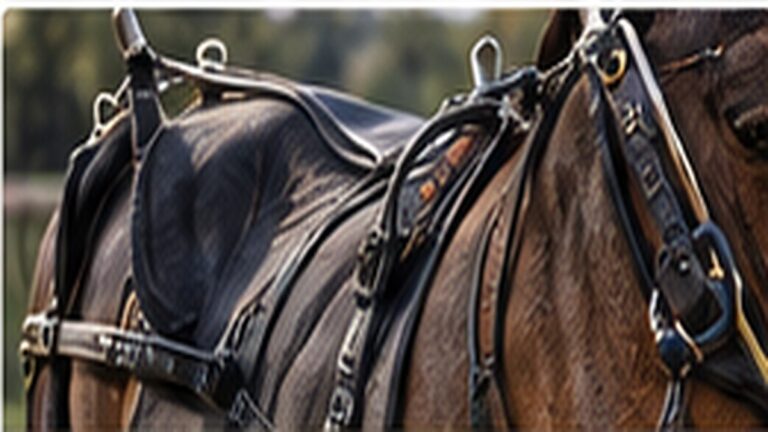
Many historical changes make sense when viewed through load paths: where force enters the equipment, how it is distributed, and where it ultimately reaches the horse, rider or vehicle. Driving harness evolved partly because early neck-and-girth arrangements could restrict breathing. Later breast-strap and collar systems separated and refined the way traction was taken. Modern harness is consequently organised around distinct load-bearing, stabilising, braking and control functions.
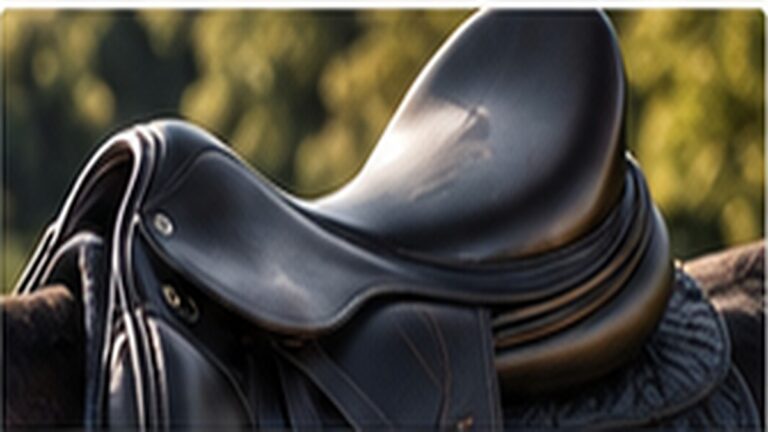
Saddle development likewise reflects attempts to manage the relationship between rider weight and the horse’s back. The history moves from pads and soft saddles towards rigid frame designs and then into specialised forms associated with military, western, ranch and sport use. The important lesson is not that later designs automatically supersede earlier ones, but that each form answers particular requirements for security, weight distribution, control, labour or status.
Bridles illustrate a different but related issue: communication through contact with the head and mouth, or through pressure applied by bitless designs. Historical examples range from Bronze Age metal bits and decorated cheek-pieces to double bridles, anatomically shaped leatherwork and pressure-measured designs. The evolution of the bridle is therefore also an evolution in how people have understood control, signalling, fit and humane use.
Fit is a technical and welfare issue
Across every spoke, fit is more important than appearance. A harness can be beautifully made yet unsuitable if its load-bearing parts, traces, collar or breastplate do not work with the horse and vehicle. A bridle can be historically impressive but problematic if its dimensions, pressure points or contact surfaces are inappropriate. Saddle design cannot be separated from the horse’s back, the rider and the intended work.
Rugs demonstrate the same principle in a less obvious way. Their usefulness depends on the individual horse and the conditions, not on temperature charts alone. Coverage, fill, fit, weather, activity and the horse’s own needs all affect whether a rug supports comfort and thermal management or creates unnecessary problems. The hub treats welfare as a practical consequence of design and use, rather than as a label that can be inferred from appearance.
How the equipment histories connect
The six subjects should be read as parts of one equipment system rather than isolated product histories. The saddle and bridle mediate the rider’s position and communication. Driving harness performs comparable connection and control functions in a vehicle context, but must also address traction, braking and vehicle movement. In both cases, changes in use alter the required distribution of force and the construction needed to manage it.
Material development links all of these subjects. Leather remains a reference material in traditional British saddlery, while synthetic and composite materials are now established in bridles, girths, reins, saddle coverings, trees, webbing and driving harness. The meaningful comparison is not “natural versus artificial” in the abstract. Construction, load path, fit, climate, maintenance, repairability and intended use determine whether a material is suitable. The material spoke provides this framework for evaluating performance, quality, welfare and lifecycle implications.
Textiles connect material history with environmental management. Horse rugs developed from woollen blankets, saddle cloths and ceremonial textiles into specialised systems for weather protection, drying, insect defence, travel and exercise. Terms such as turnout, stable, cooler, fly, exercise sheet, fill, denier, ripstop and liner describe different functions or construction features. They should be interpreted in relation to conditions and the horse, not treated as a substitute for assessment.
Safety equipment adds another layer: protecting the rider or participant rather than directly improving the horse’s movement or comfort. Helmets, body protectors, air vests, footwear, gloves and safety stirrups have developed from relatively simple protective clothing into purpose-designed personal protective equipment. Impact testing, product standards, competition rules and injury biomechanics all influence that development, but none removes the need to understand what a product is designed to do and what its limitations are.
What historical development can—and cannot—tell us
History can explain why equipment has its present form. It can reveal which problems designers were trying to solve, why certain systems became associated with particular work, and how manufacturing changes made new options possible. It can also challenge simplistic claims that older equipment was automatically more humane, or that modern equipment is automatically better.
History alone cannot prove that a design fits every horse, improves performance in every context or provides complete protection. Nor can the survival of a traditional form establish that it is safe, comfortable or suitable for modern use. Current standards may help assess protective products, especially in the British market, but standards have defined purposes and limits. They should be understood alongside fit, condition, correct use, replacement considerations and the demands of the activity.
Equally, innovation should not be confused with universal progress. Synthetic tack may offer useful properties in some climates or applications, while leather may remain preferable for particular construction, repair or traditional saddlery requirements. Air vests add a different protective mechanism from helmets or body protectors; they do not make other equipment unnecessary. A specialised rug may be valuable in one situation and excessive in another.
How to use the spoke research
- Start with the task: identify whether the equipment is for riding, driving, work, competition, travel, protection or environmental management.
- Follow the load and contact points: ask what carries force, where pressure is applied, and how movement is accommodated.
- Separate design history from product claims: an old or new form still requires assessment of fit, soundness, construction and condition.
- Compare materials through use and maintenance, including climate, cleaning, repairability and likely service demands.
- Read safety equipment in terms of intended protection and testing, while recognising that standards and product categories have limits.
- Keep the individual horse, rider or driver central: selection should respond to the actual user and conditions rather than ornament, fashion or a single rule of thumb.
The value of this hub is the perspective it supplies before the details begin. Each spoke addresses a distinct equipment history, but all return to the same questions: what problem was the design intended to solve, how does it transmit or manage force, what materials and manufacturing methods make it work, and what does correct, humane use require? With those questions in mind, the evolution of equipment becomes a practical guide to evaluating modern tack and protective systems—not merely a record of what came before.